This activity was originally broadcast as part of the 2024 Directions in Pharmacy conference.
Program Description
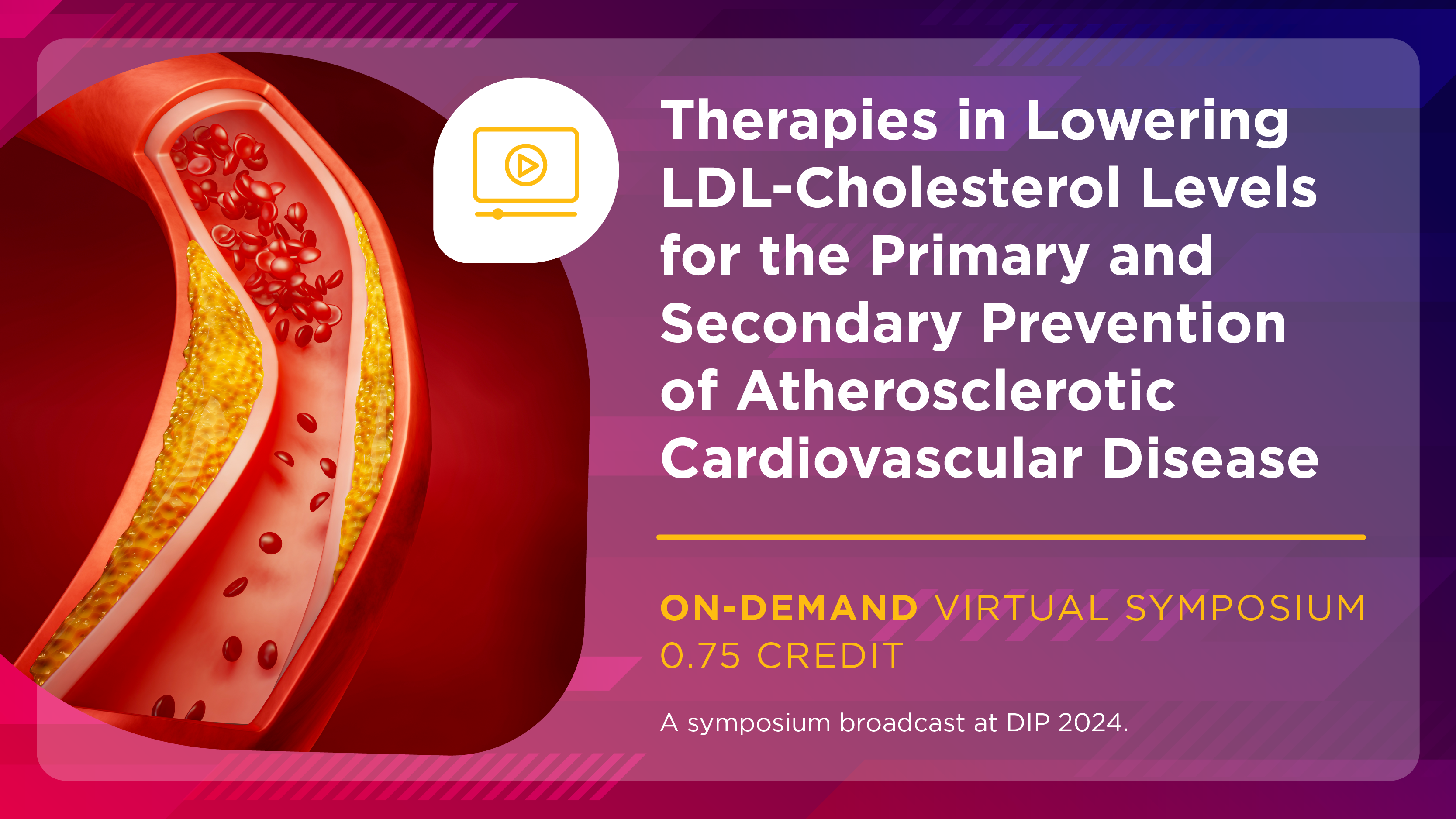
Hyperlipidemia has a profound association with atherosclerotic cardiovascular disease (ASCVD) and serves as a primary driver in the pathogenesis of atherosclerosis. Risk-enhancing factors for ASCVD include hypertension, diabetes, smoking, and familial hypercholesterolemia. Recognizing individuals at higher risk for ASCVD development through lipid profiling and risk assessment allows pharmacists to tailor therapeutic strategies to address patients’ specific needs. The cornerstone of pharmacotherapy for low-density lipoprotein cholesterol (LDL-C) reduction is statin therapy; however, the potential for adverse effects and statin resistance has contributed to the rise of non-statin therapies. This program will examine the evidence-based guidelines that inform clinical decision-making within the intricate landscape of LDL-C–lowering therapies for the prevention of ASCVD, with consideration to the pharmacology, safety, and clinical implications of current and emerging agents. Through comprehensive risk assessment, informed selection of appropriate LDL-C–lowering therapies for patients, and adherence to evidence-based guidelines, pharmacists play an instrumental role in the multidisciplinary care team, driving improved cardiovascular outcomes and enhanced patient well-being.
Target Audience: Health system and retail pharmacists
Type of Activity: Application
Release date: June 24, 2024
Expiration date: June 24, 2025
Learner level: Foundational, Intermediate
Time to complete activity: 0.75 hour
Fee: Free
Educational Objectives
At the completion of this activity, participants will be able to:
- Classify the types of hyperlipidemia and the risk-enhancing factors for atherosclerotic cardiovascular disease (ASCVD)
- Examine the roles of pharmacists in identifying patients who are candidates for low-density lipoprotein cholesterol (LDL-C)–lowering agents and in making clinical recommendations for primary and secondary prevention of ASCVD tailored to patient needs
- Explain the recommendations for the initial pharmacologic therapy for lowering LDL-C and the significance of appropriate statin intensity
- Employ the current American College of Cardiology guidelines for the use of nonstatin therapies, including efficacy and safety, mechanism of action, dosing and administration, potential adverse drug effects, and monitoring parameters
GET STARTED WITH THIS PROGRAM:
Register now to gain access to this program.
Create AccountAlready Registered? Login Here