

This activity was originally broadcast live at the 2022 Asembia Specialty Pharmacy Summit.
This activity features a Patient Perspective.
Program Description
Chronic rhinosinusitis with nasal polyps (CRSwNP) is an upper airway disease that can cause nasal obstruction leading to reduced sense of smell, nasal discharge, and sleep disturbances in afflicted patients. Symptoms of CRSwNP can overlap with other respiratory conditions, and pharmacists need to keep in mind the potential for patients to have comorbid conditions, such as asthma. Treatment options for CRSwNP are limited and do not address the underlying cause of disease; therefore, the need for repeated systemic prescriptions and medical interventions is necessary for many patients, contributing to significant economic burden. As integral members of the health care team, pharmacists can assist in assessing and monitoring symptom severity of patients with CRSwNP and can provide additional treatment recommendations with emerging agents. Clinical trial data supporting the use of biologic therapy for the management of CRSwNP will be examined. Expert faulty will also discuss considerations for pharmacists to promote medication access barriers some patients with CRSwNP may encounter and its effects on adherence to treatment and solutions to improve patient outcomes. This activity features a Patient Perspective interview where a patient with CRSwNP shares their story that will provide pharmacists with additional insight into treatment and management of patients with CRSwNP.
Target audience: Managed care pharmacists and specialty pharmacists
Type of activity: Application
Release date: May 10, 2022
Expiration date: May 10, 2023
Time to complete activity: 1.5 hours
Fee: Free
Educational Objectives
At the completion of this activity, participants will be able to:
- Investigate the epidemiology, pathophysiology, risk factors, disease trajectory, burden of disease, and quality of life implications of chronic rhinosinusitis with nasal polyps (CRSwNP)
- Classify current treatment guidelines and paradigms of care for the management of CRSwNP
- Examine safety and efficacy data, mechanism of action, and the role of biologic therapy for the management of CRSwNP
- Illustrate the role of the pharmacist in optimizing the management of patients with CRSwNP through identification, patient education, shared decision making, and monitoring for appropriate use of medications
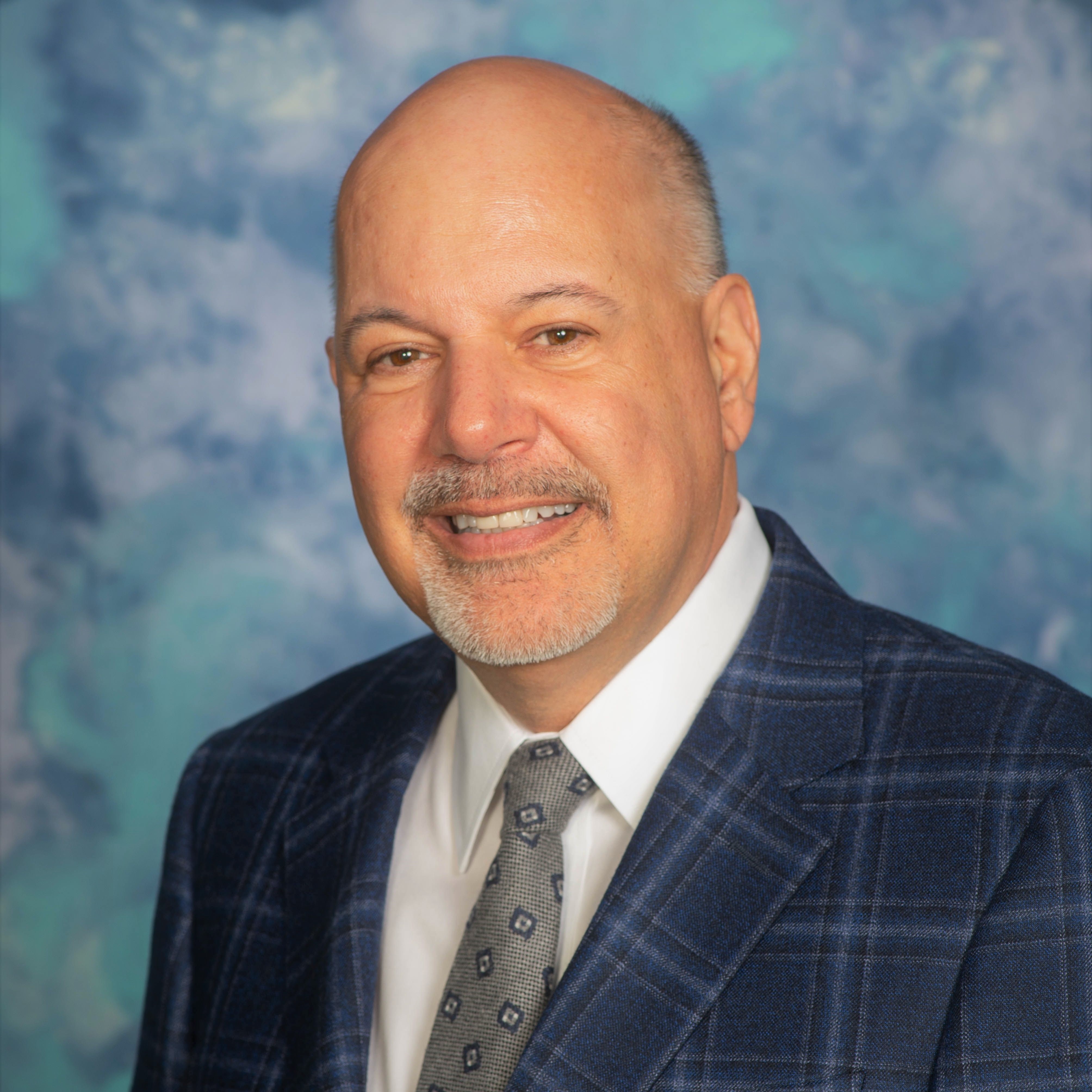
John V. Bosso, MD, FAAAAI, FACAAI, FCPP
Clinical Professor
Allergist/Immunologist
Division of Rhinology, Department of Otorhinolaryngology
Perelman School of Medicine
University of Pennsylvania
Philadelphia, Pennsylvania

Katharine Rimes, PharmD, BCACP, AAHIVP, CSP
Clinical Specialty Pharmacist
Advent Health Medical Center
Chicago, Illinois

Pharmacy Times Continuing Education™ is accredited by the Accreditation Council for Pharmacy Education (ACPE) as a provider of continuing pharmacy education. This activity is approved for 1.5 contact hours (0.15 CEU) under the ACPE universal activity number 0290-0000-22-262-H01-P. The activity is available for CE credit through May 18, 2023.
Instructions for Completing the Activity and Receiving CPE Credit
To receive CPE credit, participants must complete the pretest, review the activity in its entirety, complete the posttest, and complete the online activity evaluation. After successful completion of the online activity evaluation, you can submit your credit to CPE Monitor. You may view your credit within 48 hours at www.mycpemonitor.net. All participants must request credit before the activity expiration date. CE credit will not be issued after this date.
Disclosures
Faculty
John V. Bosso, MD, FAAAAI, FACAAI, FCPP, has the following relevant financial relationships with commercial interests to disclose:
Grant/Research Support: Cumberland Pharma, Optinose
Advisory Boards: Sanofi Genzyme and Regeneron Pharmaceuticals, Novartis, GlaxoSmithKline, AstraZeneca
Katharine Rimes, PharmD, BCACP, AAHIVP, CSP, has no relevant financial relationships with commercial interests to disclose.
Pharmacy Times Continuing Education™ Planning Staff: Jim Palatine, RPh, MBA; Maryjo Dixon, RPh, MBA; Dipti Desai, PharmD, CHCP; Crissy Wilson; Susan Pordon; Brianna Winters; and Chloe Taccetta have no financial relationships with commercial interests to disclose.
Anonymous peer reviewers have been used as part of content validation and conflict resolution. The peer reviewers have no relevant financial relationships with commercial interests to disclose.
The content of this activity may include information regarding the use of products that may be inconsistent with, or outside the approved labeling for, these products in the United States. Pharmacists should note that the use of these products outside current approved labeling is considered experimental and are advised to consult the prescribing information for these products.
Educational Disclaimer
CPE activities are offered solely for educational purposes and do not constitute any form of professional advice or referral. Discussions concerning drugs, dosages, and procedures may reflect the clinical experience of the author(s) or they may be derived from the professional literature or other sources and may suggest uses that are investigational in nature and not approved labeling or indications. Participants are encouraged to refer to primary references or full prescribing information resources.
For questions about this internet CPE activity, please contact:
[email protected]
Privacy Policy and Terms of Use Information:
www.pharmacytimes.org/terms