


Program Info
This activity is followed by a continuing conversation webinar. To register for the webinar, click here.
Program Description
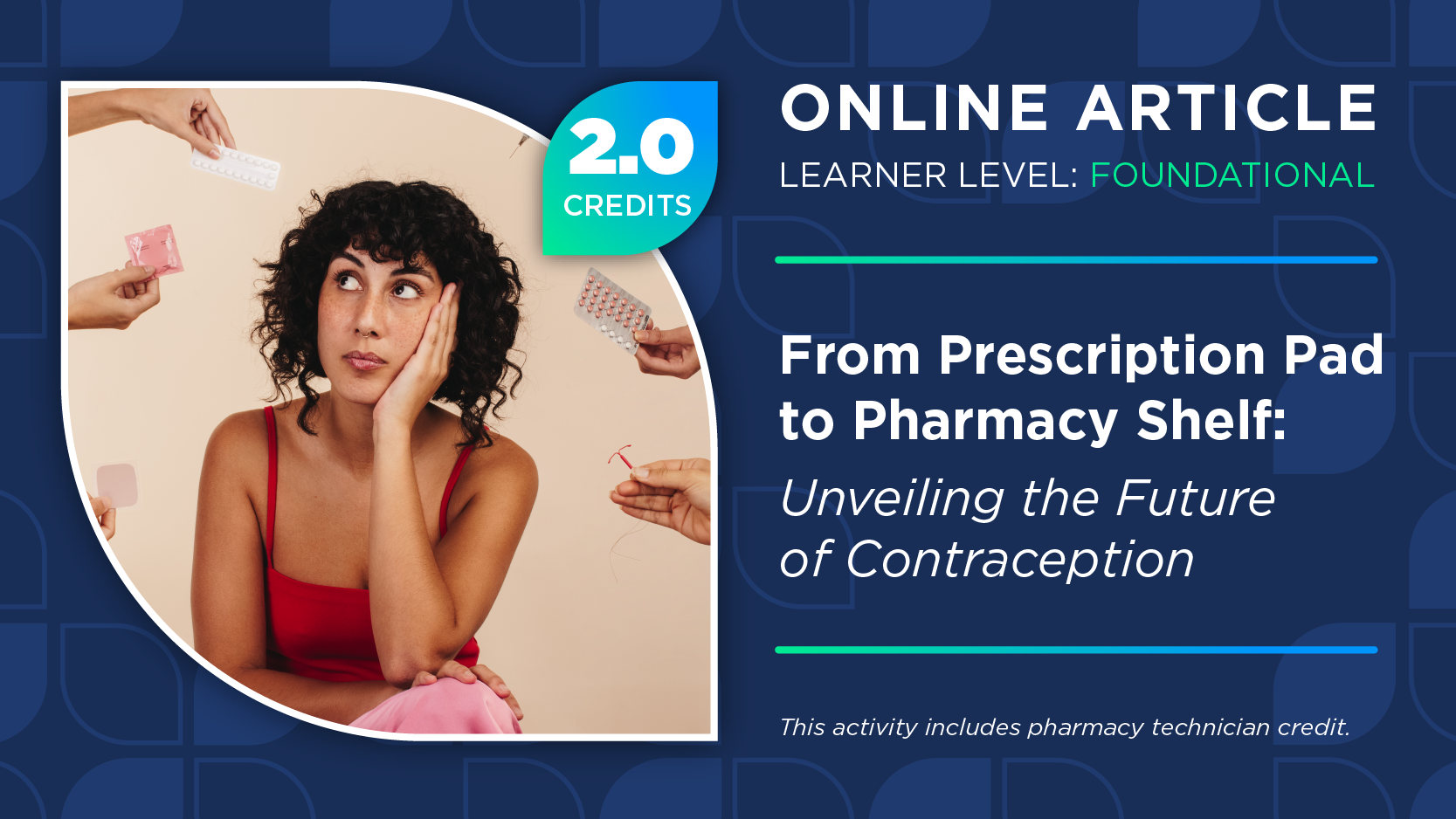
When counseling women about contraception, the choice of a contraceptive method is a complex decision that pharmacists play an integral role in by providing product information. The availability of an OTC contraception pill positions pharmacists for a greater role in contraceptive care within community practice settings. Though contraceptive pills have been available for decades, there are several differences between OTC and prescription birth control pills, like dosing schedules, adverse effects, and potential interactions with other medications that patients and pharmacists should be informed about. This article will examine the current state of contraception in the United States, the impact of increased access to contraception on reproductive health outcomes, and opportunities to remove barriers to the use of contraception with the OTC contraception pill. As the number of contraceptive options available continues to grow, it is essential that pharmacists use their skills to counsel and assist patients in decision-making to ensure they can decide upon an optimal method.
Target Audience: Pharmacy Technician
Type of Activity: Application
Release date: July 30, 2024
Expiration date: July 30, 2025
Learner level: Foundational
Time to complete activity: 2.0 hours
Fee: Free
Educational Objectives
At the completion of this activity, participants will be able to:
Pharmacy Technicians:
- Analyze the public health impact of unintended pregnancy in the US
- Identify social, economic, and regulatory barriers that limit access to contraception (including OTC options) for different patient populations
- Differentiate OTC birth control pill options, including progestin-only and combination pills, considering factors like efficacy, adverse effects, and patient suitability
- Explore the role of the pharmacy technician when communicating with patients about OTC birth control pills
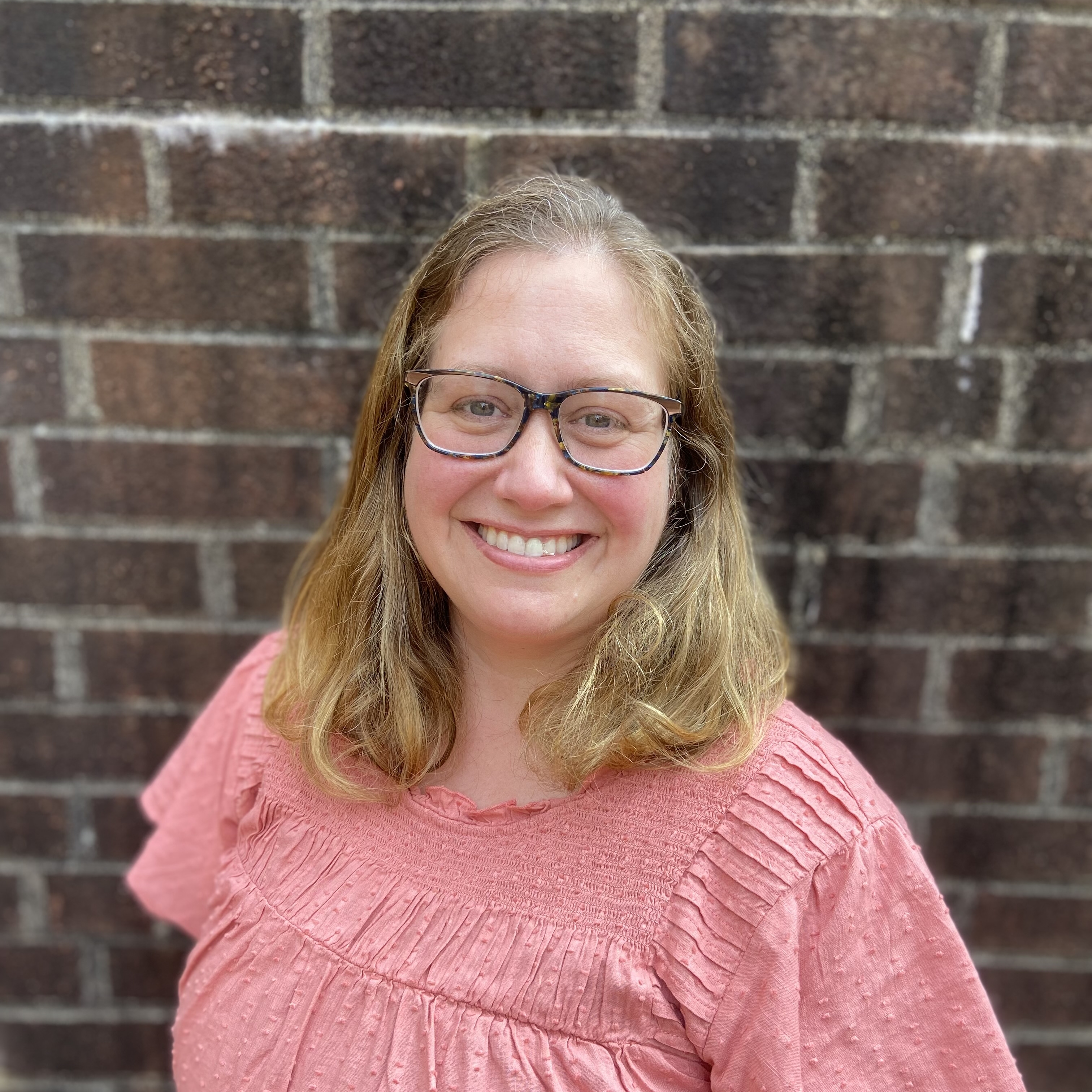
Rachel Selinger, PharmD, BCACP, CPP, CDCES
Pharmacy Manager
MAHEC Community Pharmacy
Asheville, North Carolina
Adjunct Assistant Professor of Clinical Education
Department of Practice Advancement and Clinical Education
UNC Eshelman School of Pharmacy
Chapel Hill and Asheville, North Carolina

Pharmacy Times Continuing Education™ is accredited by the Accreditation Council for Pharmacy Education (ACPE) as a provider of continuing pharmacy education. This activity is approved for 2.0 contact hours (0.20 CEU) under the ACPE universal activity number 0290-0000-24-216-H01-P and 0290-0000-24-217-H01-T. The activity is available for CE credit through July 30, 2025.
Instructions for Completing the Activity and Receiving CPE Credit
To receive CPE credit, participants must complete the pretest, view the activity in its entirety, complete the posttest, and complete the online activity evaluation. After successful completion of the online activity evaluation, you can submit your credit to CPE Monitor. You may view your credit within 48 hours at www.mycpemonitor.net. All participants must request credit before the activity expiration date. CE credit will not be issued after this date.
Disclosures
The following contributors have no relevant financial relationships with commercial interests to disclose:
Faculty
Rachel Selinger, PharmD, BCACP, CPP, CDCES
Pharmacy Times Continuing Education™ Planning Staff—Jim Palatine, RPh, MBA; Maryjo Dixon, RPh, MBA; Dipti Desai, PharmD, MBA, CHCP; Krishani Rajapaksa; Susan Pordon; Brianna Winters; Chloe Taccetta; and Rebecca Green have no relevant financial relationships with commercial interests to disclose.
Pharmacy Times® Editorial Staff— Aislinn Antrim
An anonymous peer reviewer was used as part of content validation and conflict resolution. The peer reviewer has no relevant financial relationships with commercial interests to disclose.
Educational Disclaimer
CPE activities are offered solely for educational purposes and do not constitute any form of professional advice or referral. Discussions concerning drugs, dosages, and procedures may reflect the clinical experience of the author(s) or they may be derived from the professional literature or other sources and may suggest uses that are investigational in nature and not approved labeling or indications. Participants are encouraged to refer to primary references or full prescribing information resources.
For questions about this internet CPE activity, please contact:
[email protected]
Privacy Policy and Terms of Use Information:
www.pharmacytimes.org/terms
GET STARTED WITH THIS PROGRAM:
Register now to gain access to this program.
Create AccountAlready Registered? Login Here