

Program Description:
The treatment and management focus for lower-risk myelodysplastic syndromes (LR-MDS) is shifting from symptom management toward disease modification. Recent approvals of non–erythropoiesis-stimulating agents (ESAs) have redefined the standard of care in the frontline and second-line settings, offering disease-modifying potential through durable transfusion independence and improved hemoglobin recovery for patients who have depended on transfusions and ESAs. As these newer therapies redefine the standard of care in LR-MDS, oncology pharmacists need up-to-date education to confidently interpret pivotal trial data and apply cytogenetic and molecular testing results to individualized treatment selection and sequencing decisions. Oncology pharmacists are uniquely positioned to translate this evolving evidence base into safe, effective, and patient-centered care, from choosing between available therapies to managing the dosing, titration, and hematologic toxicities associated with these newer agents. This program will highlight emerging clinical trial data, recommendations for applying patient-specific factors to therapy selection, and best practices for implementing evidence-based dosing and monitoring strategies for patients with LR-MDS.
Target audience: Oncology pharmacists
Type of activity: Application
Release date: October 21, 2026
Expiration date: December 21, 2026
Time
to complete activity: 1 hour
Learner level: Intermediate, Advanced
Fee: Free
Educational Objectives
At the completion of this activity, participants will be able to:
- Interpret emerging clinical trial data for evidence-based treatment decisions with novel therapies for lower-risk myelodysplastic syndromes (LR-MDS) across frontline and second-line settings
- Apply patient-specific factors, including transfusion burden, comorbidities, administration preferences, and quality-of-life considerations, to evidence-based therapy selection across the LR-MDS continuum
- Manage evidence-based strategies for dosing and titration of newer therapies for LR-MDS for safe, effective, and individualized treatment
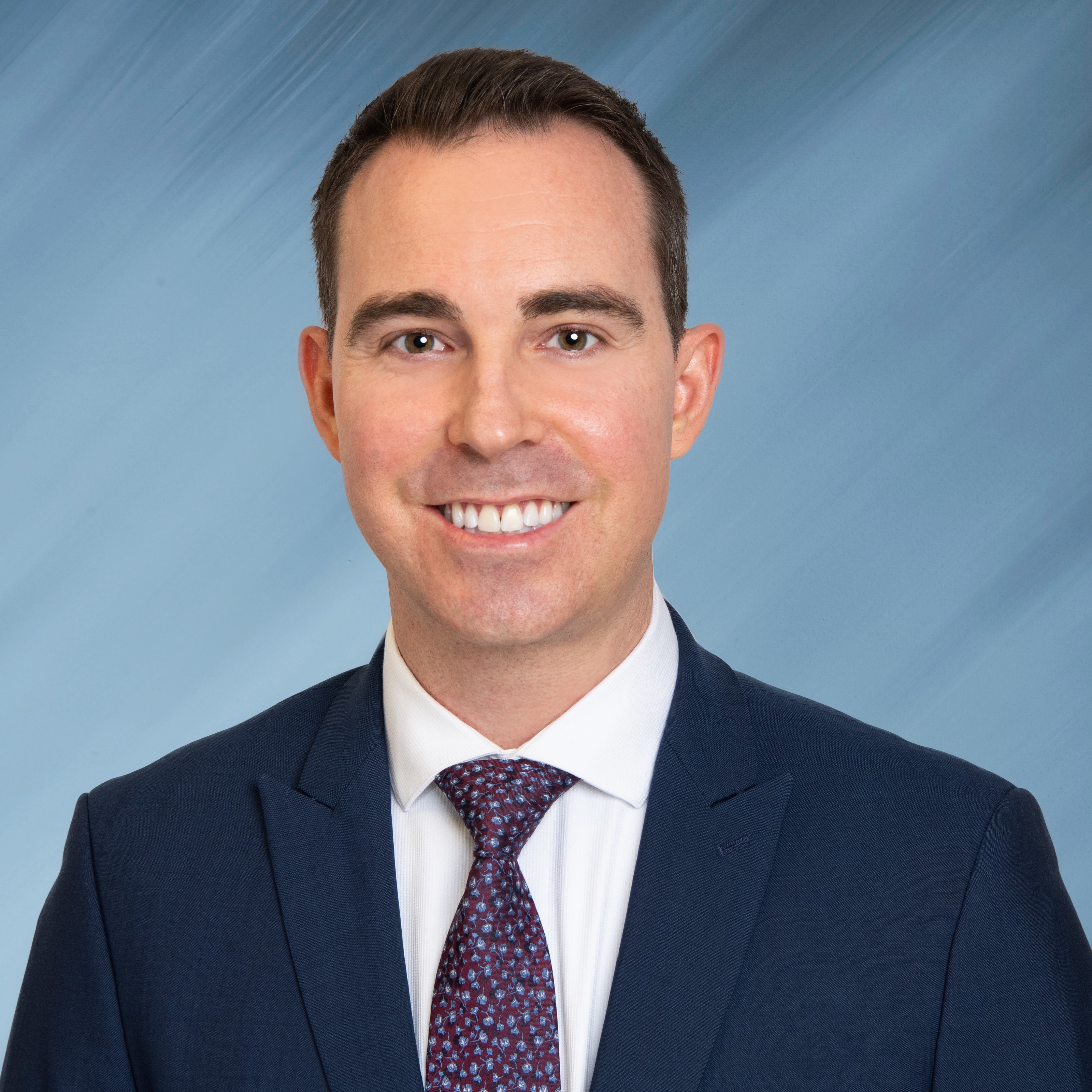
Chris Elder, PharmD, BCOP
Associate Director of Pharmacy Clinical Services
Pharmacy Operations
Florida Cancer Specialists and Research Institute
Fort Myers, FL

Accreditation Information
Pharmacy Times Continuing Education™ is accredited by the Accreditation Council for Pharmacy Education (ACPE) as a provider of continuing pharmacy education. This activity is approved for 1.0 contact hour (0.10 CEU) under the ACPE universal activity number 0290-0000-26-266-L01-P. The activity is available for CE credit through December 21, 2026.
Instructions for Completing the Activity and Receiving CPE Credit
To receive CPE credit, participants must complete the pretest, review the activity in its entirety, complete the posttest, and complete the online activity evaluation. After successful completion of the online activity evaluation, you can submit your credit to CPE Monitor. You may view your credit within 48 hours at www.mycpemonitor.net. All participants must request credit before the activity expiration date. CE credit will not be issued after this date.
Disclosures
Chris Elder, PharmD, BCOP, has the following relevant financial relationships with ineligible companies to disclose: Consultant (advisory board): Eisai, Mirati, Novartis, Pfizer, Pharmacosmos, Sanofi.
Pharmacy Times Continuing Education™ Planning Staff: Jim Palatine,
RPh, MBA; Alyssa Bradshaw, PharmD, BCOP; Emily Tyler; and Brianna Winters; have
no financial relationships with ineligible companies to disclose.
All of the relevant financial relationships listed for these individuals have been mitigated.
At least one anonymous peer reviewer has been used as part of content validation and conflict resolution. The peer reviewer has no relevant financial relationships with ineligible companies to disclose.
Educational Disclaimer
Continuing professional education activities are offered solely for educational purposes and do not constitute any form of professional advice or referral. Discussions concerning drugs, dosages, and procedures may reflect the clinical experience of the author(s) or be derived from the professional literature or other sources and may suggest uses that are investigational in nature and not approved labeling or indications. Participants are encouraged to refer to primary references or full prescribing information resources.
For questions about this internet CPE activity, please contact:
[email protected]
Privacy Policy and Terms of Use Information:
www.pharmacytimes.org/terms