

Program Description
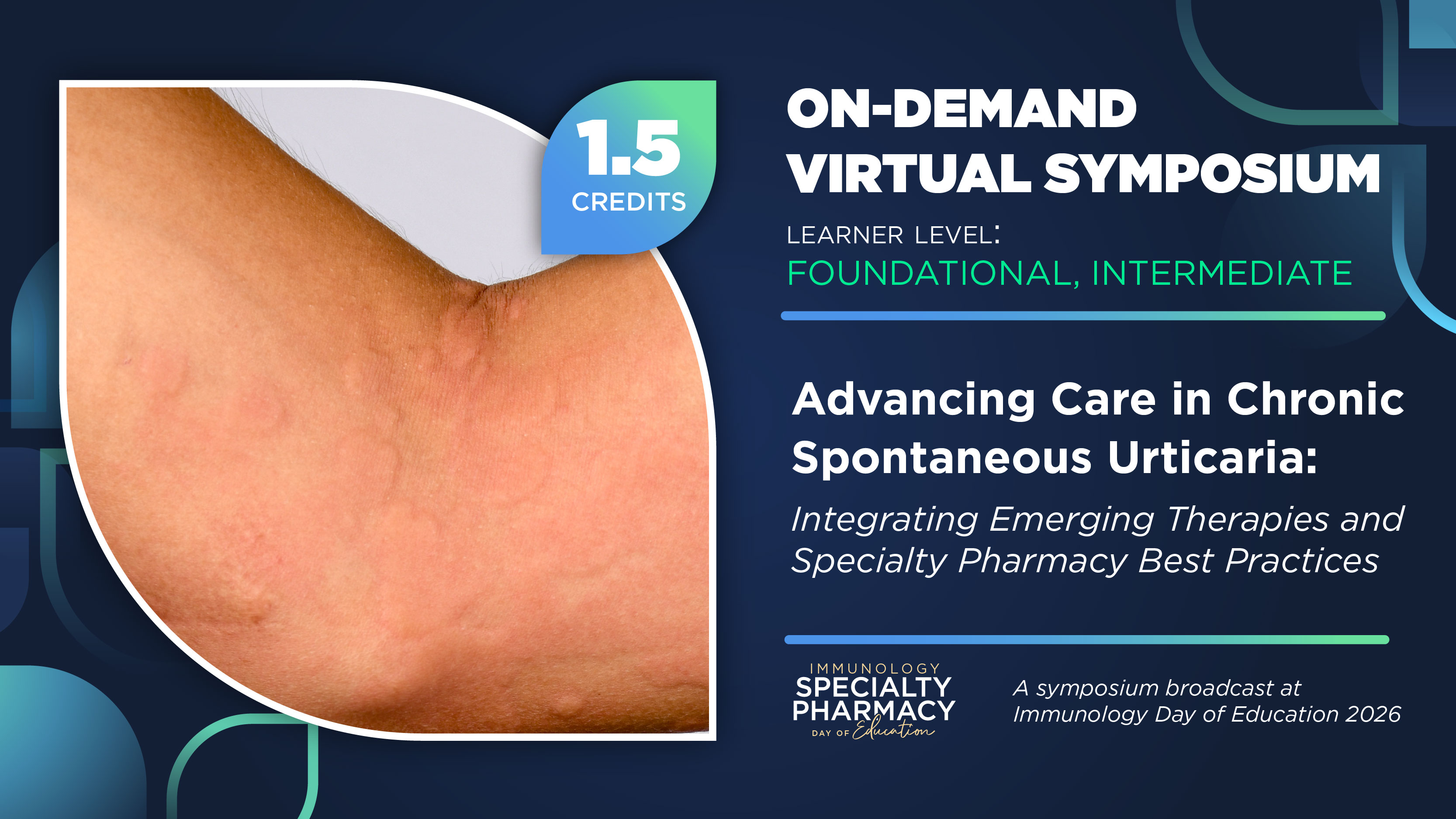
Chronic spontaneous urticaria (CSU) is a chronic inflammatory skin condition
defined by the sudden and unpredictable appearance of wheals, angioedema, or
both, without an identifiable external trigger. Driven by complex mast cell
activation and diverse immunological pathways, including IgE-mediated
autoimmunity and histamine-independent signaling, CSU can result in increased
clinical and economic burden due to the need for frequent health care contacts,
emergency department visits, and missed work. While the current treatment
landscape relies heavily on a stepwise approach starting with
H1-antihistamines, a significant portion of patients remain refractory even to
high-dose therapy and require more targeted interventions. This program will
review pharmacist-led strategies to support personalized approaches to
treatment and recognizing when patients with CSU require escalation beyond
standard antihistamine therapy for refractory symptoms. Expert faculty will
review clinical trial data for emerging and investigational therapies while
addressing the persistent challenges of treatment resistance and the
limitations of current histamine-independent pathways. Beyond clinical data,
the session will explore common challenges affecting patients with CSU, such as
logistical barriers to accessing novel therapies, complex administration
requirements, and the burden of long-term adherence. Through the integration of
emerging mechanisms and real-world patient cases, this session aims to empower
pharmacists to support individualized, evidence-based treatment selection and
improve long-term disease trajectories for those living with CSU.
Target audience: Specialty pharmacists
Type of activity: Application
Release date: June 24, 2026
Expiration date: June 24, 2027
Learner level: Foundational, Intermediate
Time to complete activity: 1.5 hour
Fee: Free
Educational Objectives
At the completion of this activity, participants will be able to:
- Recognize the clinical burden, pathophysiology, and heterogeneity of chronic spontaneous urticaria (CSU) and how these factors influence patient outcomes
- Identify guideline-directed stepwise management strategies to address treatment failure and when to escalate care beyond antihistamines
- Compare the mechanisms of action, dosing, clinical trial evidence, and appropriate clinical use of approved and emerging therapies for chronic spontaneous urticaria, including biologics and oral targeted agents
- Apply specialty pharmacy strategies to optimize medication access, support adherence, counsel patients on safe and effective use of advanced therapies, and collaborate with clinicians to improve long-term disease control

Elias Akl, MD, FAAAAI
Allergist and Immunologist
Penn Medicine Becker ENT and Allergy
Philadelphia, PA

Aderonke Adeboye, PharmD, BCPS
Clinical Pharmacy Specialist
Emory Healthcare
Atlanta, GA
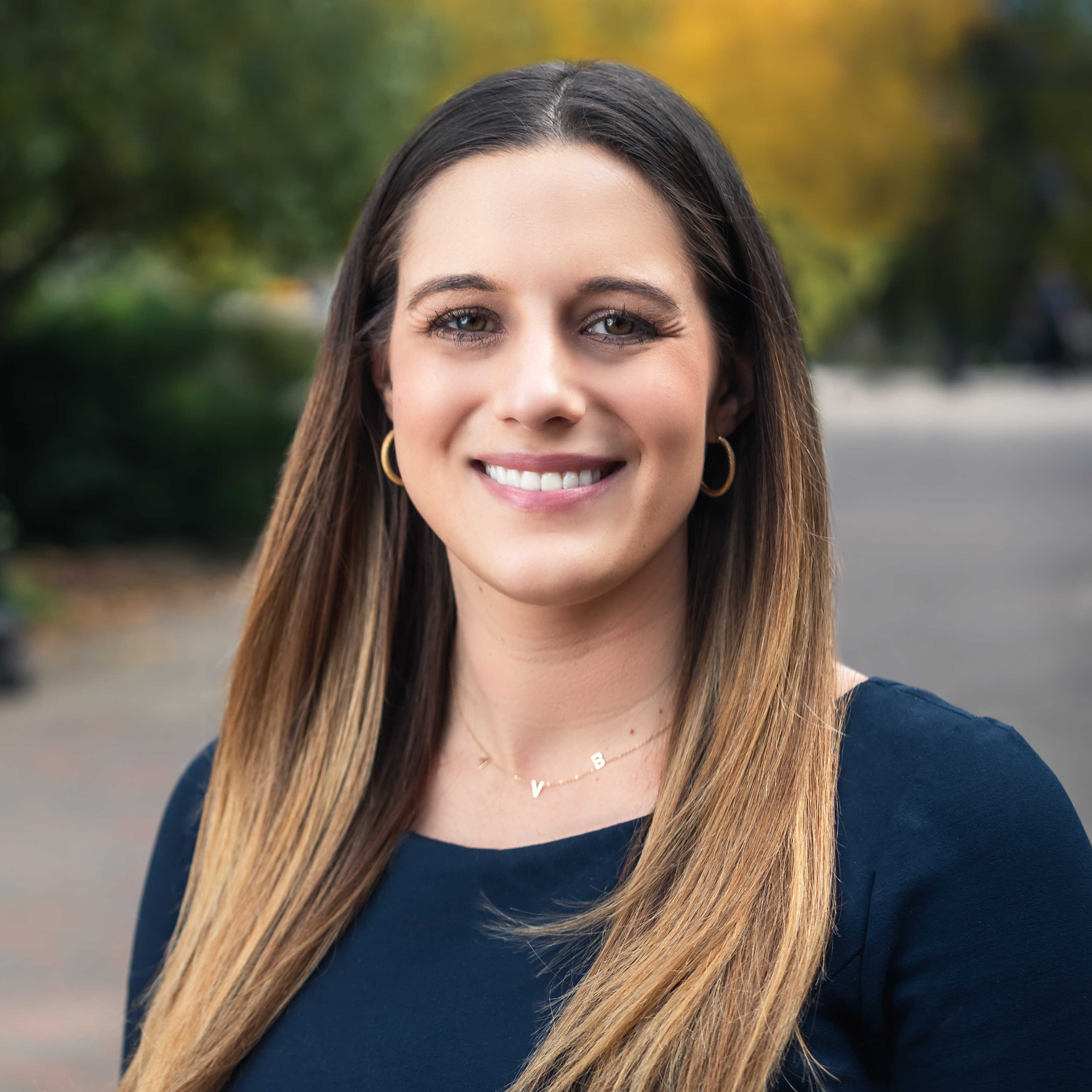
Jamie L. McConaha, PharmD, CDCES, FCCP, BCACP
Associate Professor of Pharmacy Practice
Duquesne University School of Pharmacy
Pittsburgh, PA
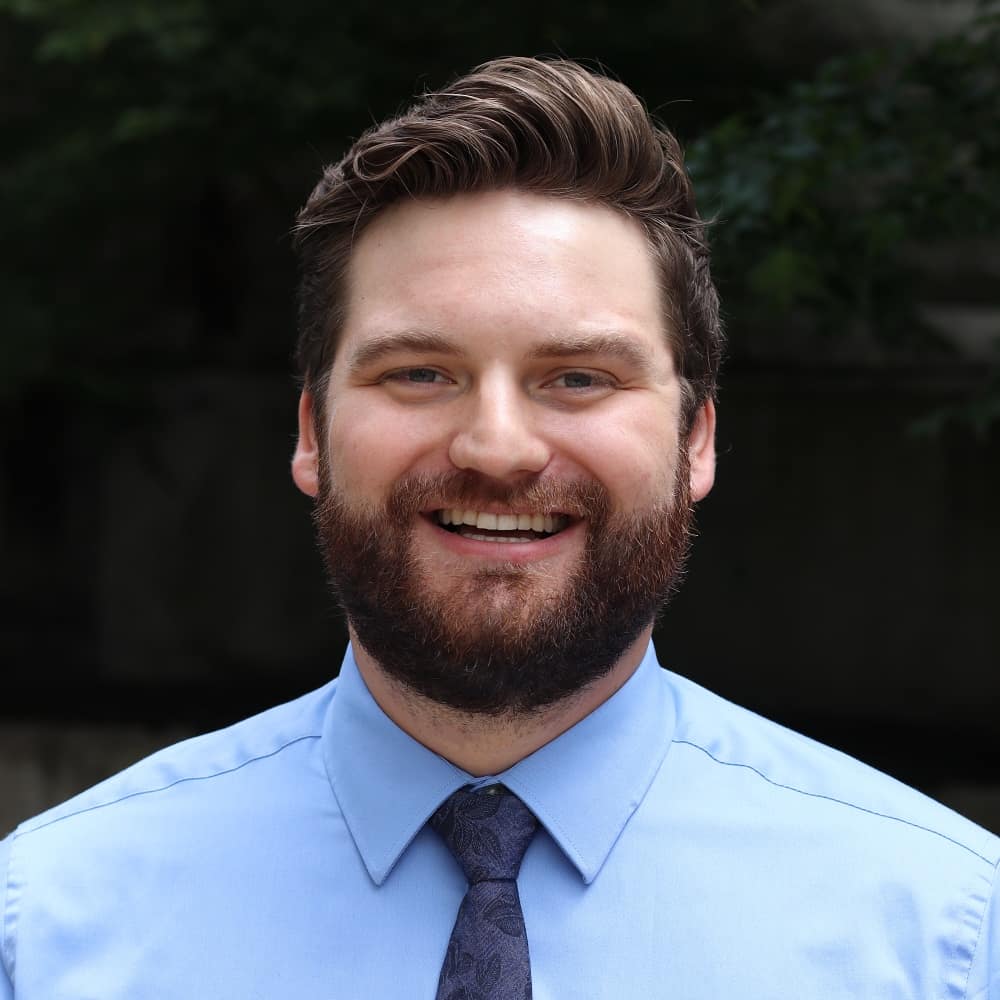
Adam Olesen, PharmD, BCACP
Clinical Pharmacy Specialist
Dermatology Ascension Medical Group
Austin, TX

Pharmacy Times Continuing Education™ is accredited by the Accreditation Council for Pharmacy Education (ACPE) as a provider of continuing pharmacy education. This activity is approved for 1.5 contact hours (0.15 CEU) under the ACPE universal activity number 0290-9999-26-187-H01-P. The activity is available for CE credit through June 24, 2027.
Instructions for Completing the Activity and Receiving CPE Credit
To receive CPE credit, participants must complete the pretest, review the activity in its entirety, complete the posttest, and complete the online activity evaluation. After successful completion of the online activity evaluation, you can submit your credit to CPE Monitor. You may view your credit within 48 hours at www.mycpemonitor.net. All participants must request credit before the activity expiration date. CE credit will not be issued after this date.
Faculty
Elias Akl, MD, FAAAAI, has the following relevant financial relationships with ineligible companies to disclose:
Speakers Bureau: AstraZeneca, GSK, Sanofi
The following contributors have no relevant financial relationships with ineligible companies to disclose:
Faculty
Aderonke Adeboye, PharmD, BCPS
Jamie L. McConaha, PharmD, CDCES, FCCP, BCACP
Adam Olesen, PharmD, BCACP
Pharmacy Times Continuing Education™ Planning Staff—Jim Palatine, RPh, MBA; Jason Christidhis, PharmD; Emily Tyler, MHA, PMP; Susan Pordon; Brianna Winters; and Chloe Taccetta
Any relevant financial relationships listed for these individuals have been mitigated.
At least one anonymous peer reviewer was
used as part of content validation and conflict resolution. The peer reviewer
has no relevant financial relationships with ineligible companies to disclose.
Educational Disclaimer
CPE activities are offered solely for educational purposes and do not constitute any form of professional advice or referral. Discussions concerning drugs, dosages, and procedures may reflect the clinical experience of the author(s) or they may be derived from the professional literature or other sources and may suggest uses that are investigational in nature and not approved labeling or indications. Participants are encouraged to refer to primary references or full prescribing information resources.
For questions about this internet CPE activity, please contact:
[email protected]
Privacy Policy and Terms of Use Information:
www.pharmacytimes.org/terms
GET STARTED WITH THIS PROGRAM:
Register now to gain access to this program.
Create AccountAlready Registered? Login Here